Checking Geometric Cut Velvet on Curved Upholstery Panels

Check geometric cut velvet on a curved upholstery panel by fitting a labelled sample over a representative form and reviewing the motif from the intended viewing positions. We establish the flat pattern first, then compare its appearance through the curve and around the edges. A flat swatch can help select a design, but it cannot confirm how that design will look on a shaped chair back, arm or headboard.
What can a flat sample tell you before the trial?
A flat geometric cut-velvet sample establishes the motif, fabric direction and intended focal point before a curved-panel trial. Mark a centre line or geometric junction that can be found on the fitted sample. This provides a stable reference for describing any change through the curve.
Our Geometric Cut Velvet is a specific pattern reference for this exercise. Its listing identifies a circular-knit construction. We therefore do not assume that every fabric sold within a jacquard or cut-velvet collection has the same underlying structure or fitting behaviour.
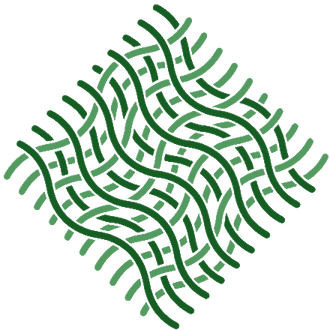
Inspect the straight motif edges in the image below. Decide which lines the design team expects to remain visually balanced on the finished panel.

This is a flat fabric reference. It is not a photographed curved-panel trial and does not demonstrate that the fabric will fit a particular frame.
How should the trial form be specified?
Specify a cut-velvet upholstery trial with the intended panel shape, padding and attachment arrangement. Record the fabric direction and fitting method with the upholsterer. A loose drape over a different object can explore an idea but cannot represent the proposed upholstered assembly.
Agree whether the review is about appearance, making feasibility or both. The ACT Guide to Textile Specification identifies fabrication and furniture construction as relevant to textile selection. This general principle supports an application trial; it does not certify this fabric for your furniture.
| Trial input | Keep or record | What the record helps explain |
|---|---|---|
| Form and padding | Representative shape and materials | Whether the trial reflects the intended panel |
| Pattern orientation | Direction arrow and focal point | Which geometric lines were meant to align |
| Fitting method | Workroom method and attachment sequence | Whether a changed method accompanied a changed appearance |
| Viewing positions | Front, side and normal use position | Whether a local issue is visible in the finished context |
| Sample identity | Fabric, colourway and sample reference | Which actual material was evaluated |
Do not set a universal stretch allowance or pulling force from the product photograph. Those details belong to the maker's trial and the selected construction.
Is a changing shape always fabric distortion?
A geometric line on a curved upholstery panel can appear compressed because of the viewing angle rather than a change in the cloth itself. Compare the same marked feature from the front and relevant side positions. If the concern persists, the upholsterer should inspect the fitted material and form directly.
Use a hypothetical rounded chair back to separate three kinds of concern. Mark junction J at the centre of the flat motif and keep the intended fabric direction visible. Review the fitted trial from the front and the two relevant side positions.
| Observation in the example | What it may concern | Next review |
|---|---|---|
| J is off the intended centre from the front | Placement or fitting | Check the marked centre against the panel drawing |
| A side motif looks narrower only from an oblique view | Viewing geometry | Revisit the normal viewing position before changing the cloth |
| One join remains bulky from all relevant views | Assembly | Ask the upholsterer to inspect that join and its components |

These observations are teaching examples, not diagnoses of this product. Keep front and side photographs tied to the same trial identifier. If the maker changes the attachment sequence, record it; a better-looking second trial may reflect the new fitting method, and should not automatically be attributed to a different fabric.
This second geometric reference gives another view of the repeat's visual rhythm.

Which observations need separate decisions?
On a curved cut-velvet panel, record motif placement, reflected-light appearance and making issues separately. A focal point shifted off centre calls for a different review from a bulky edge or changing highlight. Separating them identifies which variable to investigate next.
Review the surface in the intended lighting, with the orientation recorded. Where direction affects appearance, keep that direction consistent in later samples. The purpose here is to judge a fitted panel, not to calculate the full production cutting layout; that is a separate task after the application has been accepted.
Any required wear, seam or other performance evidence must cover the selected construction and application. A visually successful trial is useful, but it cannot supply those results.
What should you send for the next review?
For a curved-panel cut-velvet review, send the exact fabric link, panel drawing, padding and attachment details, and labelled photographs from the planned viewing positions. Choose the reference through our cut-velvet collection; the cut-velvet fabric page explains the wider route.
Include the intended application and quantity, and mark the exact motif area causing concern. Through WhatsApp RFQ, we can discuss the sample and construction questions. Sampling terms and the production minimum are confirmed for the selected route; a low-MOQ offer for another jacquard family does not establish them for cut velvet.


